
Deadly Flesh-Eating Bacteria Is on the Rise Across New York
Officials warn that a deadly flesh-eating bacteria is on the rise across New York State.
Here are the symptoms you need to look out for.
Rare Flesh-Eating Bacteria Spreading Up The East Coast

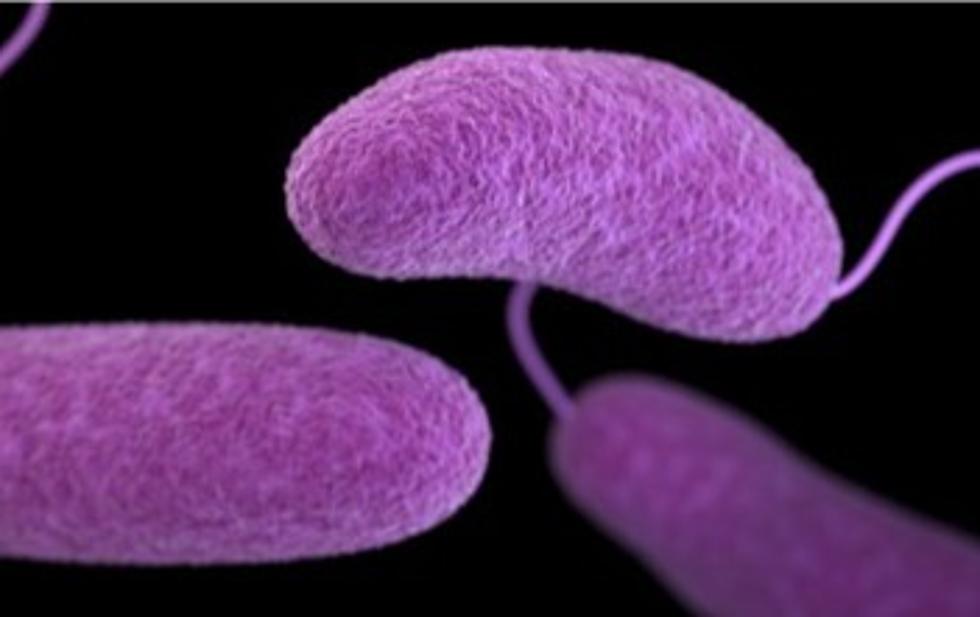
Vibrio vulnificus is a rare but very dangerous "flesh-eating" bacterium that health officials now warn is rapidly spreading northward along the East Coast.
"Many people with Vibrio vulnificus infection can become seriously ill and need intensive care or limb amputation," health officials tell Hudson Valley Post.
The bacteria used to be found only around the Gulf Coast, but it's been creeping its way up the East Coast for years.
For all the news that the Hudson Valley is sharing, make sure to follow Hudson Valley Post on Facebook, and download the Hudson Valley Post Mobile App
Thanks to rising ocean temperatures and extreme weather events, it's reached states as far north as New York, Connecticut, and Maine.
"About one in five people with this infection dies, sometimes within a day or two of becoming ill," the Louisiana Department of Health states.
The bacterium is said to be very aggressive, causing severe tissue damage within days of infection. Infection comes when an open wound is exposed to contaminated waters, or when a person eats raw or undercooked seafood, particularly oysters.

The bacteria kill up to 15 to 50 percent of people infected, depending on the infection route.
Already Found In New York Waters This Year
In April, Dr. Christopher Gobler and his Stony Brook University team found the bacteria in the following locations in New York:
- Sagaponack Pond
- Mecox Bay
- Georgica Pond
The rare flesh-eating bacteria have also been confirmed in New York State in past years, and tragically killed a New Yorker.
Symptoms to Watch For

Experts say you should seek immediate medical attention if you develop these signs within 24–48 hours of coastal water exposure or seafood consumption.
Rapidly spreading skin redness, swelling, intense pain, or fluid-filled blisters
Watery diarrhea, stomach cramps, nausea, and vomiting
High fever, chills, or dizziness (signs of early sepsis)
These Beaches Are Bacteria Hotspots
New Report Highlights America's "Beach Bacteria Hotspots"
Tips To Avoid Getting Bit By A Shark In New York State

More From 107.7 WGNA